

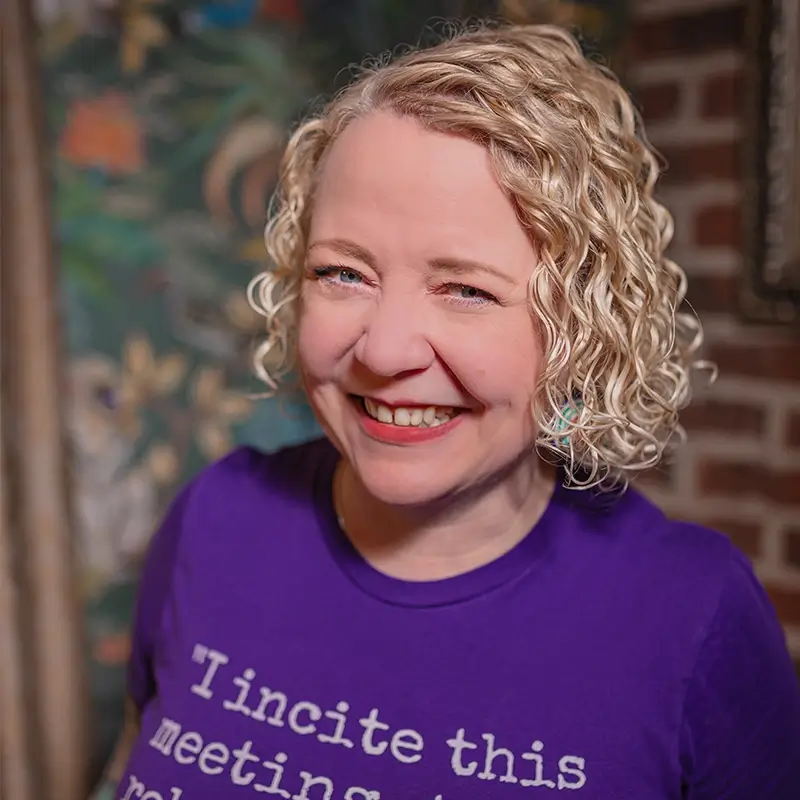
We recently had the absolute pleasure of joining the brilliant Michael Ashtiany and Jen Lawton-Hunt on The Off Air Podcast for Season 4, Episode 6 – titled (very aptly, we think) ‘Just Bee You’.
Big thanks to Michael and Jen for having us – we’ve been trying to make this episode happen for a while, and it was very much worth the wait. We talked for what can only be described as a mammoth amount of time, covering branding, home studios, websites, SEO, and why the rules are sometimes there to be broken. Grab a brew.
Listen on other podcast platforms
What We Talked About
Here’s a run-down of the big topics from the episode – though honestly, the best bits are in the listening.
Branding is Not Your Logo
This came up early and we spent a good chunk of time on it – because it genuinely matters. Branding is massively, and we’d argue badly, taught in the voiceover world. The most common mistake? Thinking branding is about colours, fonts, logos, and the way your website looks.
It isn’t.
All of that is your visual identity. Your brand is the experience someone has every single time they interact with you – the emails you send, the way you show up to a directed session, the copy on your website, the confidence you bring to a client call. It’s everything.
A useful (if slightly overused) shortcut: branding is what people say about you when you’re not in the room. It’s reputation. It’s relationships. The visual stuff just helps people recognise you – it doesn’t build your brand for you.
The Experience IS the Brand
Apple are a good example – love them or loathe them – because what they’ve nailed is the experience of being a customer. Walk into one of their stores and everything is calm, clear, and unhurried. They come to you. There are no tills. That experience would even work if they sold yoga mats.
That’s what voiceovers can learn from. Whether you do corporate narration, audiobooks, animation, or all of the above – the experience of working with you stays consistent. That’s your brand. And it doesn’t pigeonhole your work one bit.
Where to Actually Start With Branding
Rather than agonising over colour palettes and fonts, a really useful starting exercise is this: write down 15-20 words for how you want people to feel when they work with you – and another list for what you absolutely don’t want them to think. Make them specific. “Good customer service” doesn’t count – that’s just the minimum. Think about things that are genuinely you: your ethics, your energy, whether you swear or not, what makes you different.
Those two lists will guide everything – your copy, your visuals, your social media voice – without boxing you in.
Authenticity, Consistency, and Just Being You
We talked a lot about the word authenticity – and Rob gave it a slight tweak, calling it honesty instead. The closer your online presence is to who you actually are, the easier everything gets. If your website reads like a corporate brochure and then you turn up to a directed session as your actual self, is that a jolt for the client?
The good news? As self-employed people, most of us don’t want to be PAYE employed. Our brains work differently. That’s not a flaw – that’s the most unique thing about you, and it’s what people actually buy. They come back because they liked working with you, not just because you were technically good.
On Names, Taglines, and Not Overthinking It
Michael shared his own experience with the Manchester VO brand name – chosen for perfectly valid SEO reasons, but now something he’s rethinking as his business has grown. It’s a great example of how branding can and should flex as you do.
I had to admit that Rob came up with our tag line ‘Helping Voiceovers to be seen and heard’ live on air. The record should show that it was a team effort involving several months and some truly terrible early attempts to get us there.
The takeaway: you don’t need a tagline, a logo, or a perfectly curated visual identity to start getting work. You need to talk to people, tell them what you do, and be someone they enjoy working with.
Home Studios – Rob’s Side of Things
Rob talked through something that doesn’t get said often enough: voiceover studios require the highest audio quality standards of almost any area of the recording industry – higher than music studios, higher than radio. You’re recording completely dry audio with no bleed and no room reverb, in a space that also has to accommodate a dog, a delivery driver, and whatever is happening two floors above (not naming names).
A few highlights from Rob’s section:
On choosing a microphone: it needs to match your voice and your room. An expensive, highly sensitive mic in an undertreated space will actually make things sound worse, not better – it’ll pick up every flaw. Sometimes a less sensitive mic is genuinely the right call.
On DAWs: use whatever you’re most comfortable with. Pro Tools and Adobe Audition are great, but if Audacity is what you know and you can produce clean, professional audio in it – carry on. Confidence in your setup frees up your mental energy for the actual performance.
On keeping tech updated: the ‘set it and forget it’ mentality doesn’t work anymore. The industry has changed dramatically in five years, and is set to continue doing so. Keep on top of it – or find yourself scrambling to fix Source Connect mid-session with a client watching. (Not a great look. Relatable, but not great.)
Websites and SEO – What Actually Matters
Here’s the honest take: if you have a small website – say one to ten pages – don’t agonise over SEO. You have a far better chance of getting work through direct marketing and building relationships with real humans than by trying to game a search algorithm that changes every few weeks.
The basics matter enormously though. Your website needs your name, how to contact you, the work you do, and crucially, downloadable demos. If you want to work on your SEO, you need a page per genre of work. For example, if you want audiobook work and there’s nothing on your site about audiobook work, you won’t get audiobook work. It really is that simple.
A bonus tip that came up: search for yourself in incognito mode on a browser with cleared cache. Your regular browser is personalised to your own history and will show you results that flatter you. Incognito gives you what a stranger actually sees.
And on the subject of language – your clients are not searching for “corporate voice over”. They’re searching for “voice over for my instruction video” or “voice for a fire safety video”. Write your website in the language your clients use, not the jargon the voiceover industry uses.
Break the Rules (Thoughtfully)
We finished on something that felt like a good full-circle moment: the best marketing strategy is the one you’ll actually stick to. We do a monthly podcast episode – no podcast expert would recommend that frequency. But it works for us, it drives traffic, and we’re not burning out trying to produce weekly content.
The same goes for social media, email marketing, studio kit – pick what fits your brain, your energy, and your actual life. The trends and the “rules” are always going to be a step behind the people who are quietly doing it their own way anyway.
Whether you’re new to voiceover and trying to figure out where to start, or you’ve been going a while and you’re wondering why the studio still doesn’t quite sound right – there’s something in this episode for you. Michael and Jen are brilliant hosts and we had a genuinely great time.